The Gateway — Pole Barn & Kitchen
Rain-fed roof, cobb oven, herb drying and prep, year-round fire. People can gather for learning, food, medicine prep, and more.
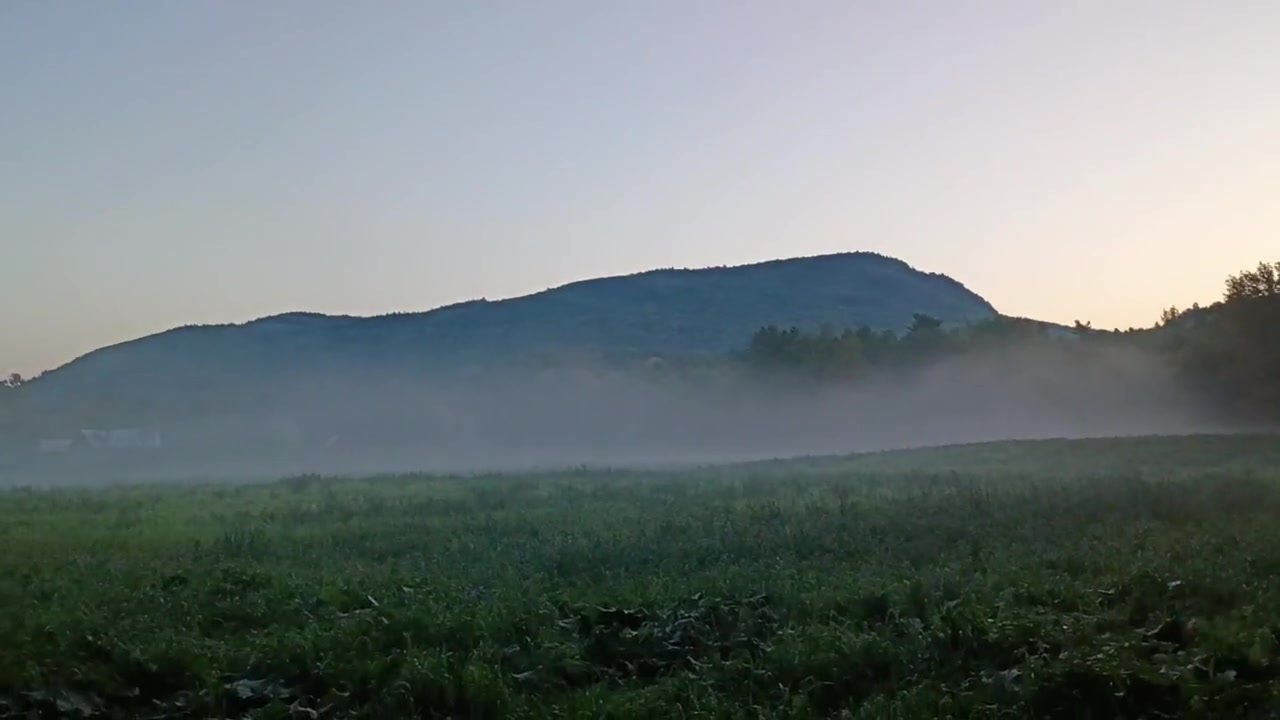
Addison County, Vermont
A food forest, healing sanctuary, and living classroom in Addison County — just getting started — the first thing we need is land.
The vision
We envision free, nutrient-dense food grown for public foraging — a perennial edible landscape where abundance is shared, not sold.
A held space for energy work, therapeutic sessions, and nature-based wellness — open to practitioners and participants at all income levels.
Hands-on learning for kids and adults — permaculture, herbs, natural building, stewardship — co-shaped with whoever wants to teach or learn.
The land in motion
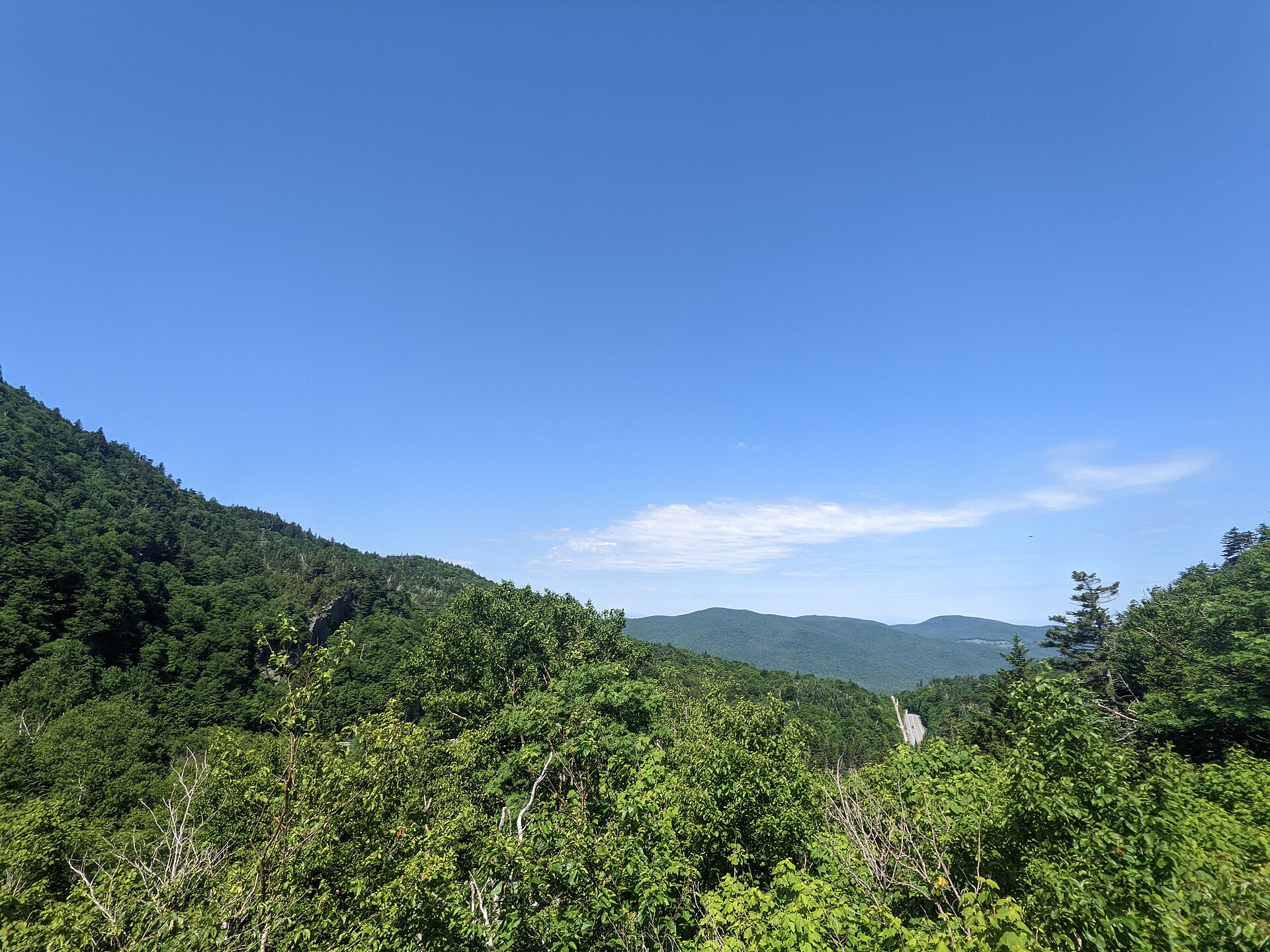
From gateway to quiet heart — one continuous landscape, shaped by the site and everyone who builds it.
We build from what's already here when we can: stone, clay, sand, fallen timber. Picking land means asking what it wants to give.
Rain-fed roof, cobb oven, herb drying and prep, year-round fire. People can gather for learning, food, medicine prep, and more.
Play and sensory space within sight of the hub. Learning that no classroom can hold.
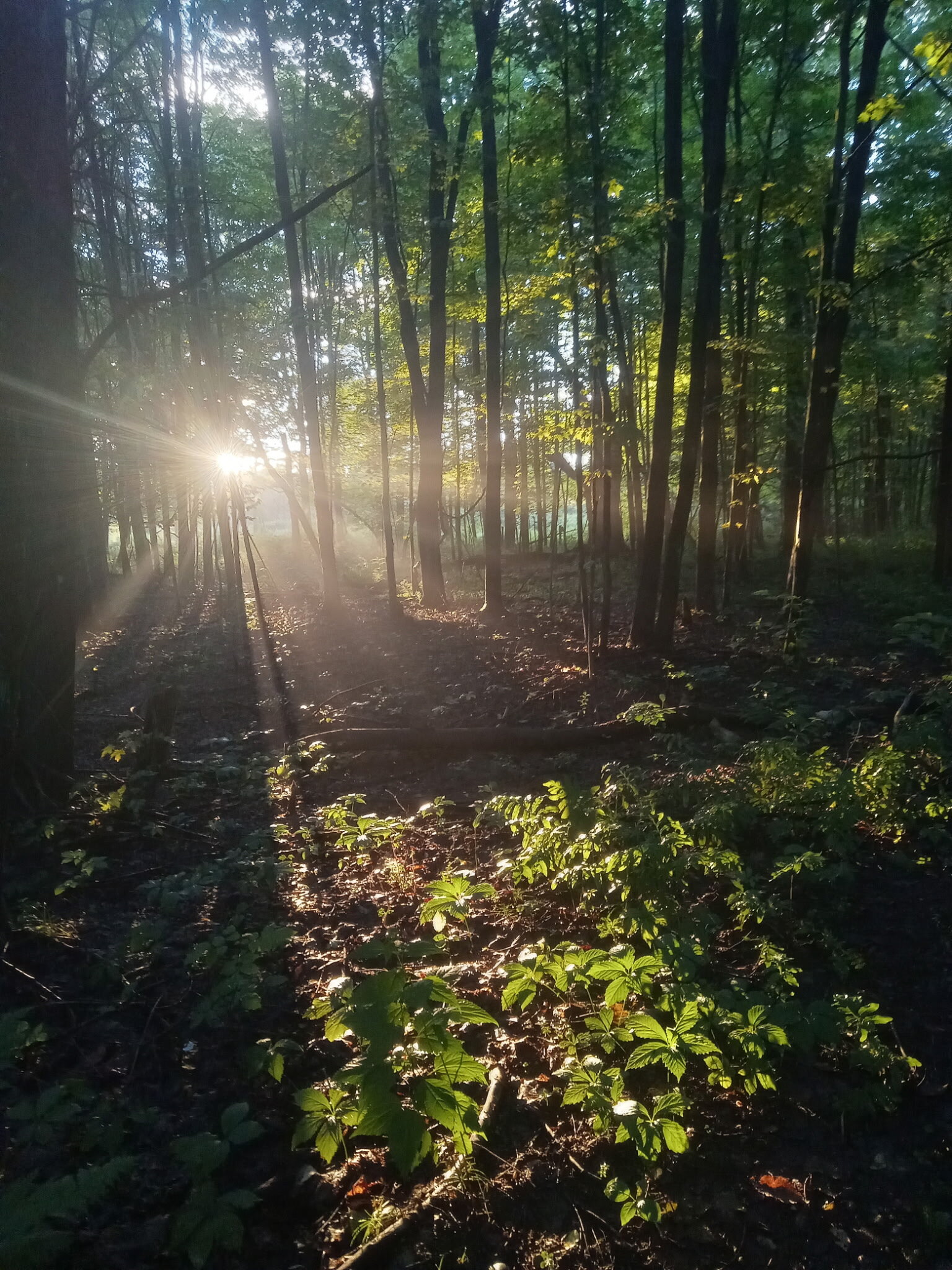
Nuts, berries, and medicinals stacked in layers — the sound of the road fades here, replaced by birdsong and the rustle of leaves.
Earthen sauna, green roof, cool-down toward the trees — clay, sand, and straw from nearby when the site allows.
Forest bathing and earthing lead inward to the medicine wheel and earth altar — ceremony, stillness, land-tending.
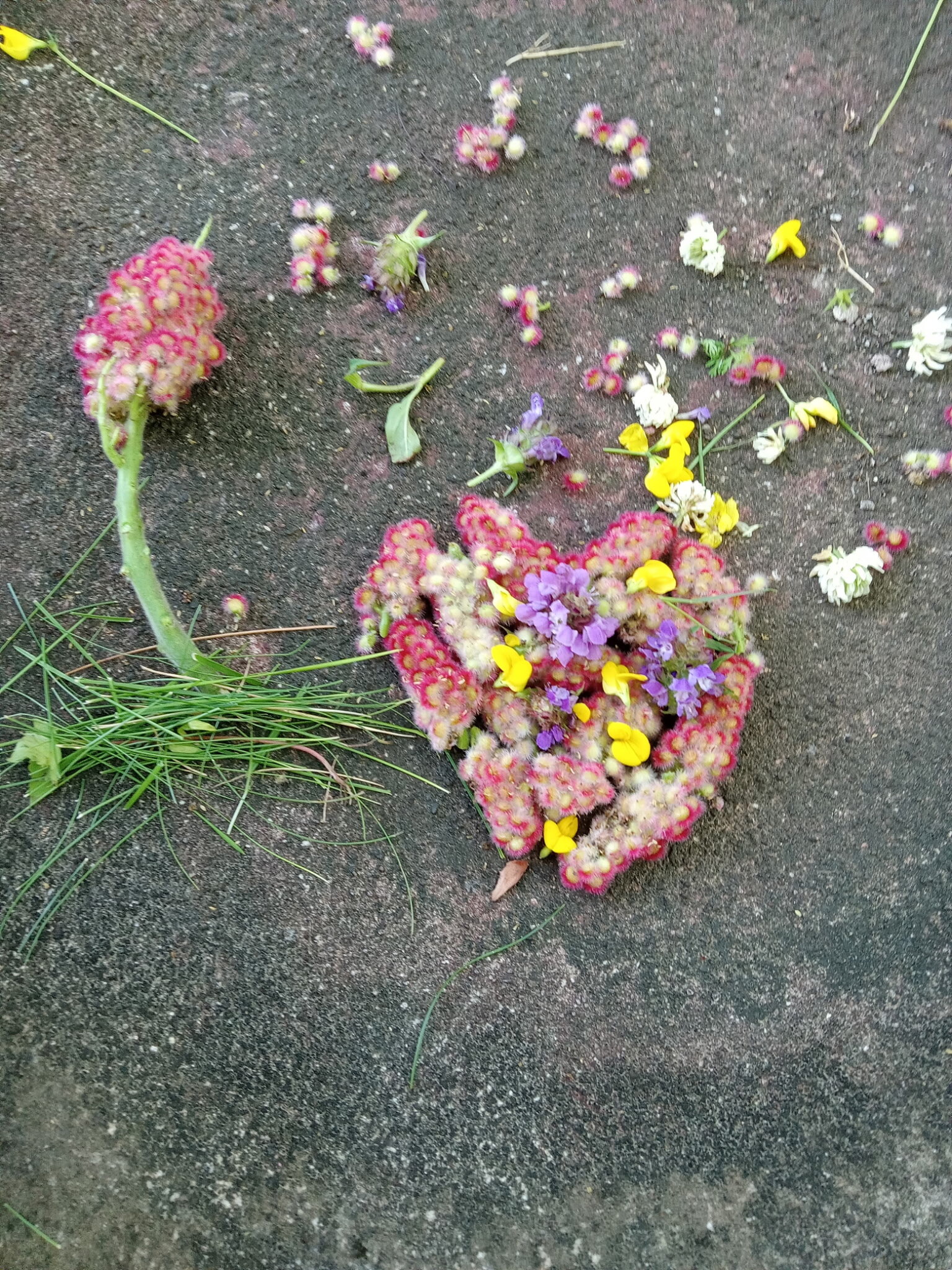
Perennial abundance
Layered, public edible plantings — nuts, berries, medicinals, natives — for pollinators and long-term soil.
| Plant | Healing role | Ecological role |
|---|---|---|
| Elderberry | Immune support; fever reduction (flowers & berries) | Fast growth; dappled shade for sanctuary zones |
| Linden / Basswood | Heart-calming tea; anxiety support | Deep nutrient accumulator |
| White Pine | Vitamin C; cortisol reduction via scent (forest bathing) | Windbreak; year-round anchor |
| Comfrey | Topical support for inflammation & tissue repair | Breaks up Vermont clay; dynamic accumulator |
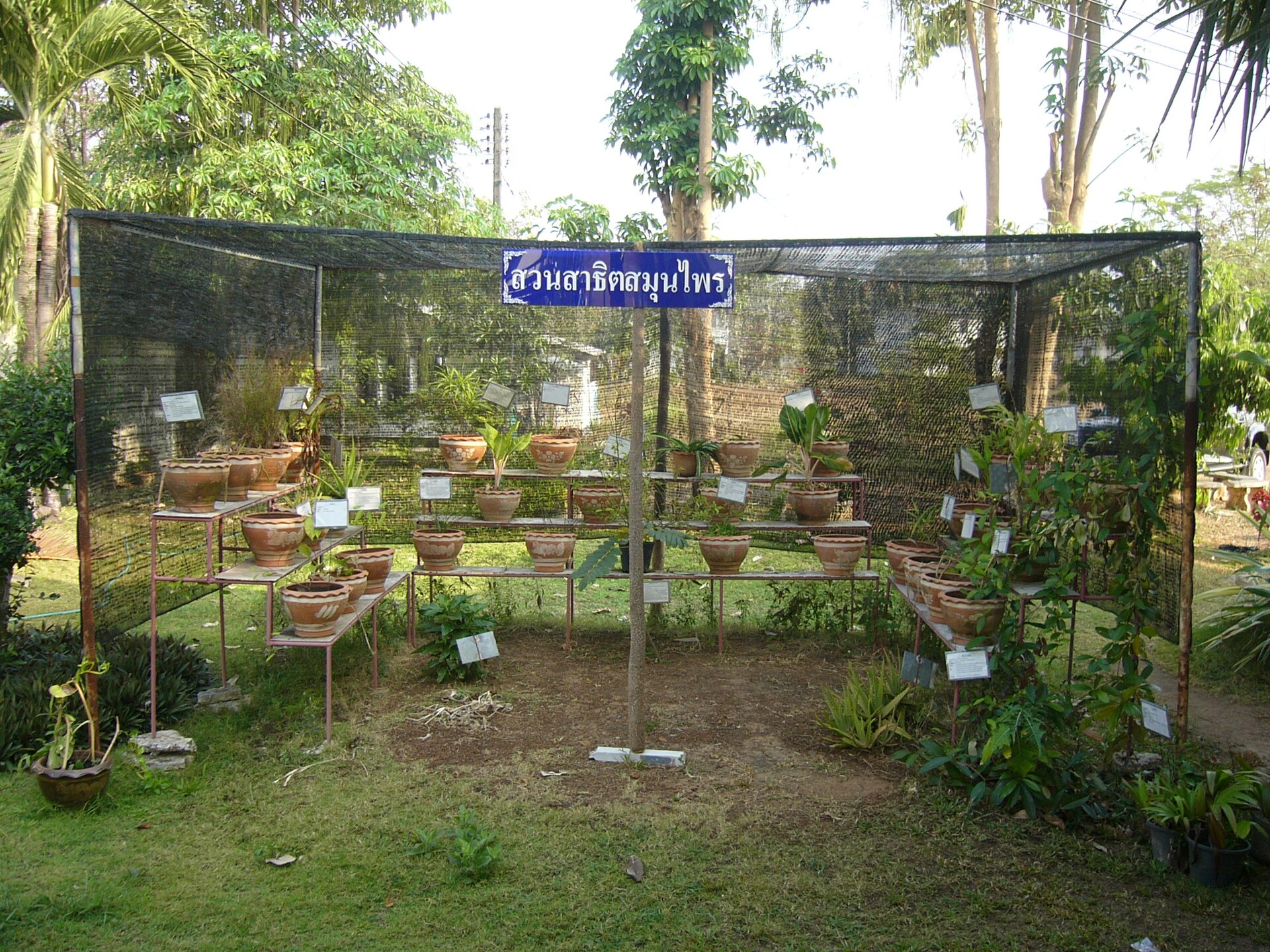
Somatic landscape
Slow paths, soft ground, structures that fit the hill — nervous system and community together.
You are medicine men & medicine women. It is time to rise up. Find your medicine, it is what will heal the world. What makes you happy, what makes you feel alive, is your medicine. It is time to walk out your door & love & create.
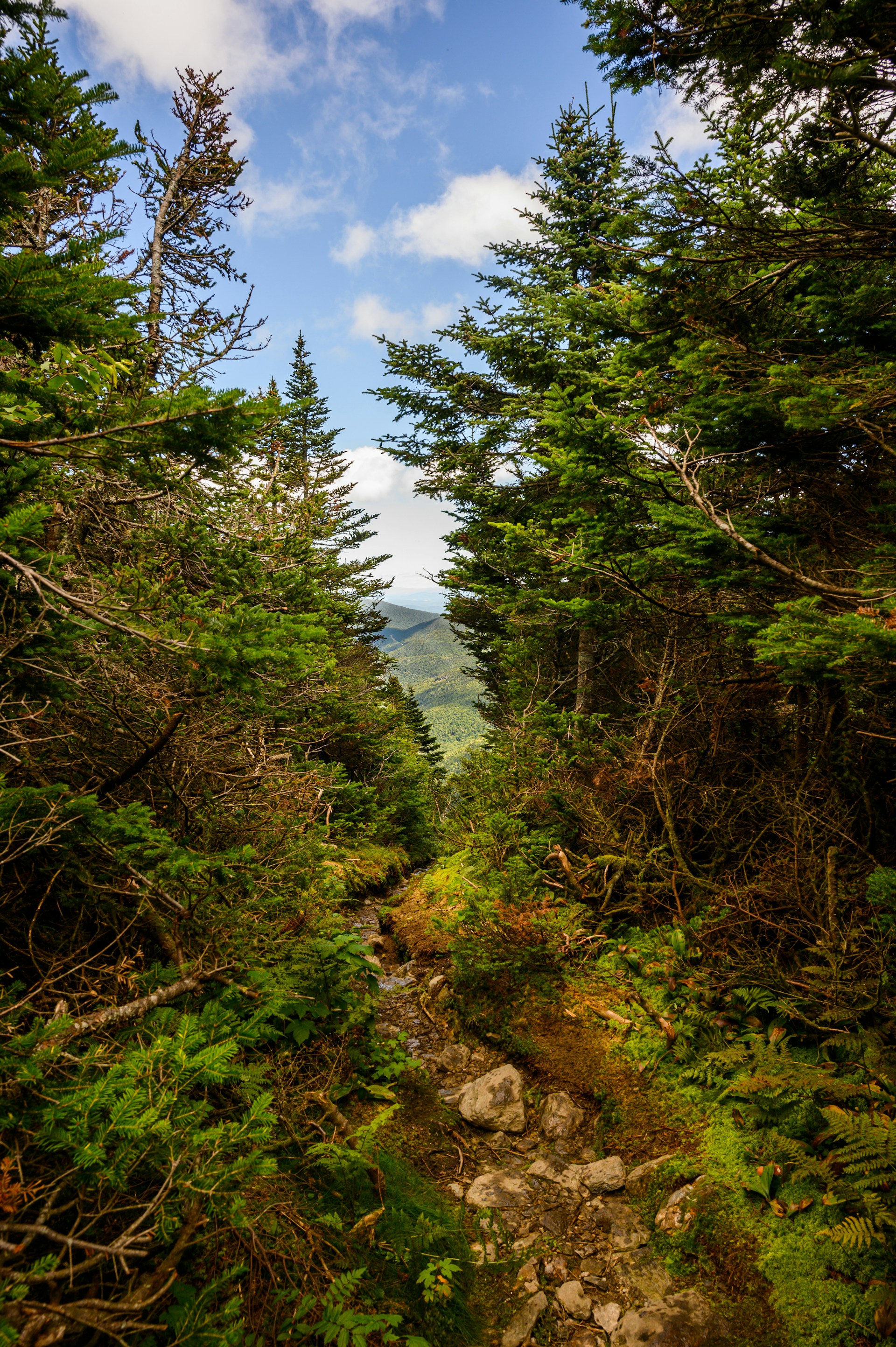
Canopy trails — unhurried by design.
Moss and sand underfoot; thresholds mark the way inward.
At the trail's end: wheel and altar for ceremony and land-tending. Fieldstone from the land — not quarried truckloads.
Sunset-facing where the land allows; thermal mass for year-round use. Clay, sand, straw — local when we can.
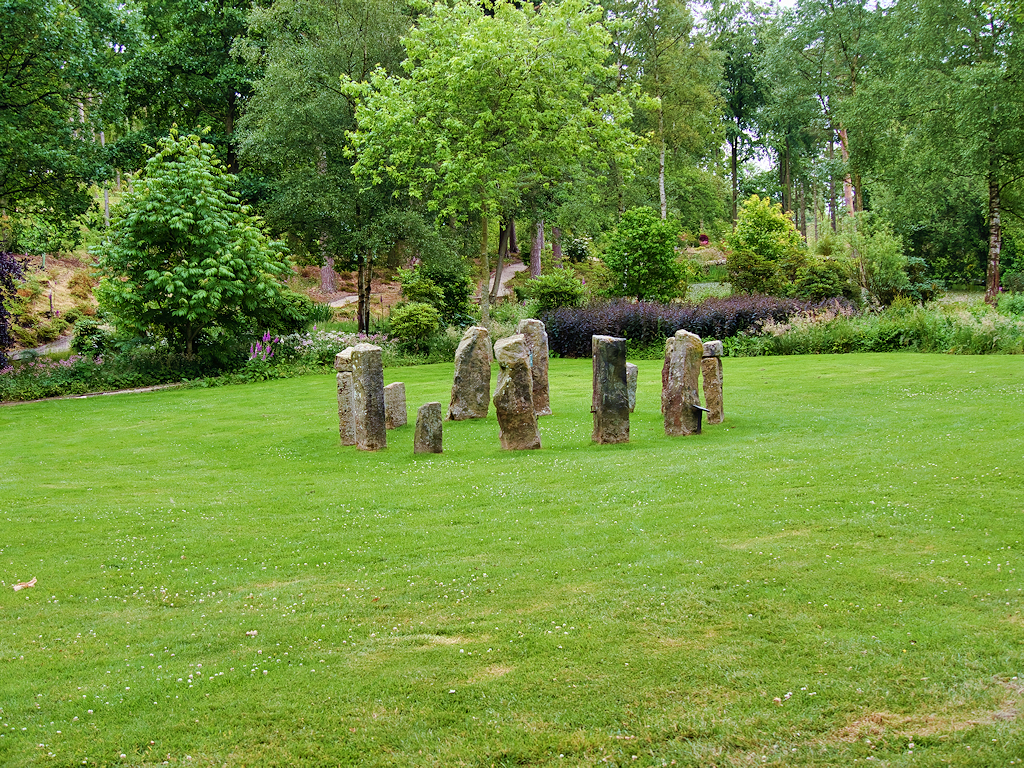
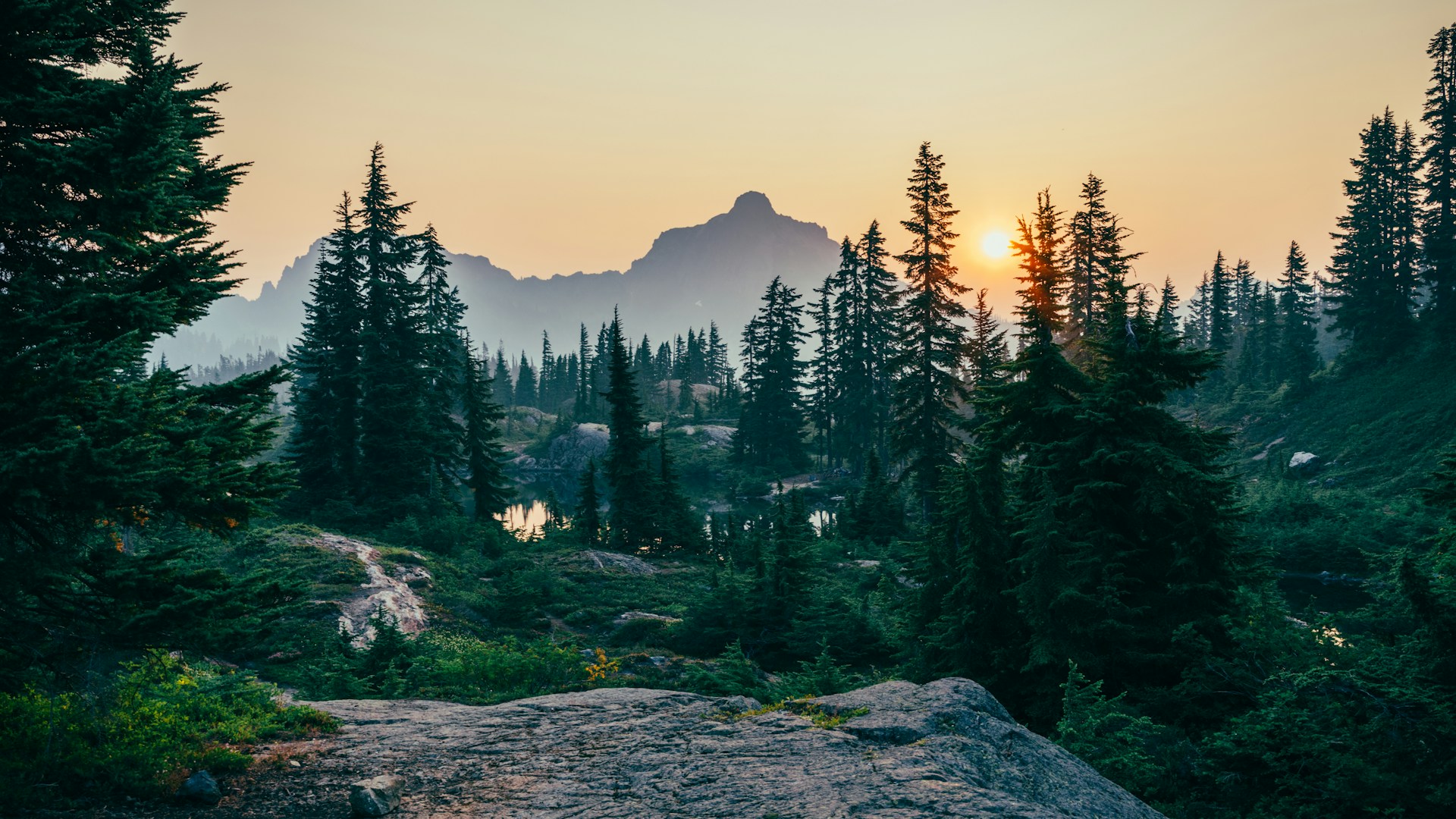
Room for practitioners — plant medicine, body and energy work, somatic care, and more. Sliding scale always; time and skill count when money doesn't.
Hands on the work
Five first structures — whoever shows up with tools and heart shapes the details.
The community heart — shelter, food prep, and gathering through every season.
Salvaged and donated lumber; locally felled timber; reclaimed barn materials — this is how we want to build it. You can donate materials — get in touch.
Warmth, ceremony, and a roof that belongs to the hillside.
Clay, sand, straw from the ground and nearby.
At the end of the healing trails — ceremony and listening.
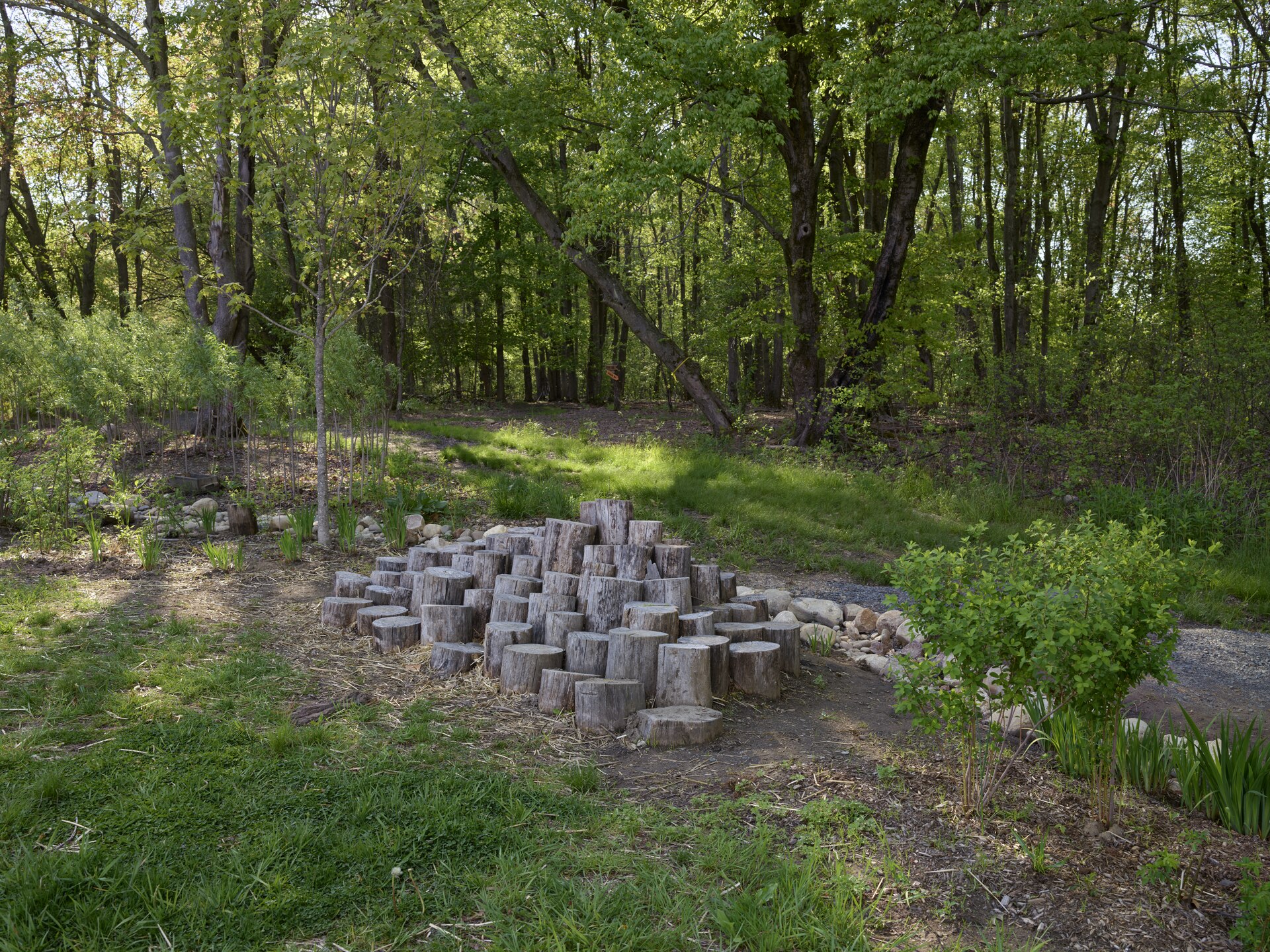
Fieldstone from the land, not quarried stone.
Mud, willow, slate, and room to get gloriously dirty.
Local slate, willow, wood — no plastic, no treated lumber.
Layers of nuts, berries, medicinals, and native plants for everyone.
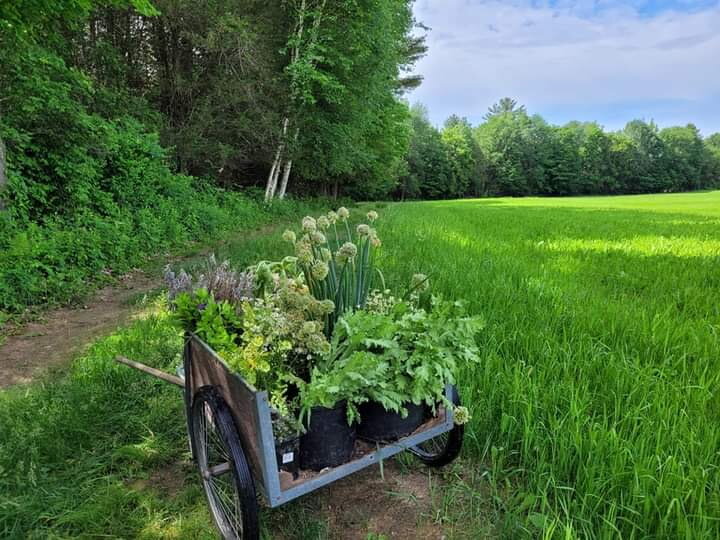
Native seeds and local plant starts — if you have divisions, cuttings, or volunteers from your own garden, they belong here.
Next generations
Mud kitchens, willow, slate, outdoor kitchen for small hands — play as stewardship. Parents and educators, we'd love your help shaping it.
The artisan hub
Barn-raising style: donated materials, volunteer labor — materials and strong hands welcome first.
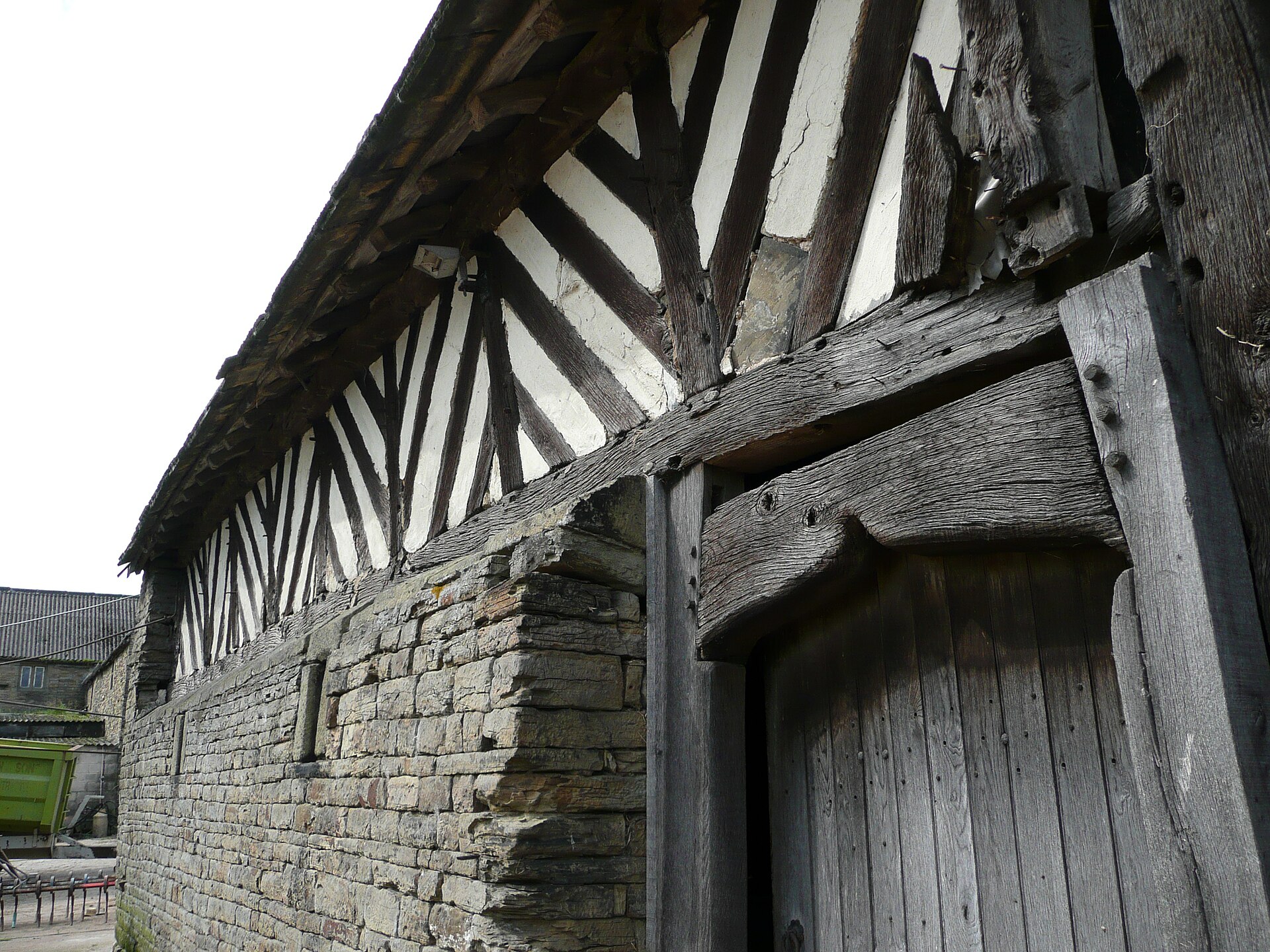
Timber-frame pole barn and outdoor kitchen: preservation space, shared meals, rain harvest, greywater hand sinks, herb racks. Hemlock and cedar where we can; open in winter for Tea & Fire.
A living covenant between people and place
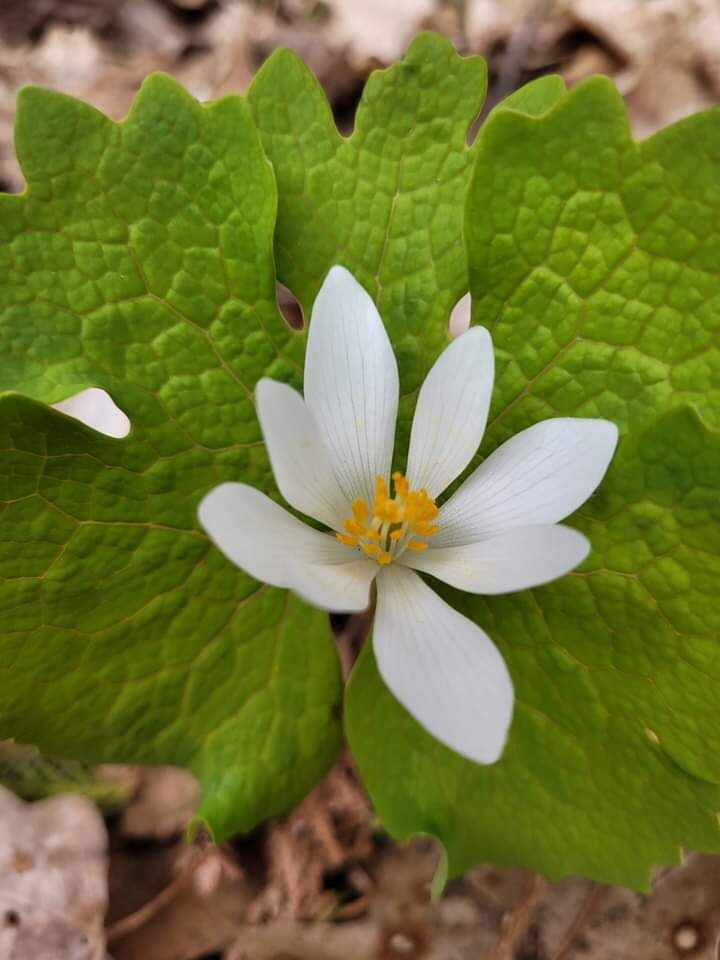
Harvest no more than one-third of any plant. Each harvest asks for an act of service — weeding, mulching, or clearing a path.
Quiet zones around the sauna, wheel, and altar — no digital noise on the trails that lead there.
No synthetic fertilizers or ‑cidal agents. Healing cannot live in a poisoned landscape.
Practitioners offering paid sessions contribute 10% of their time to Open Sanctuary Hours for neighbors.
The sanctuary follows Vermont’s wheel of the year. The pole barn stays open in winter for Tea & Fire against rural isolation.
Land & allies
1–5 acres near Middlebury, Bristol, or New Haven — stewardship, partnership, donation, or something we haven't thought of. Have a lead? Tell us.
Ideal land characteristics:
Organizations and neighbors doing aligned work in Addison County — conservation, food, building, healing, or plain love of place — we're glad to connect.
Resources
Community-built first — grants, fundraising, and partnerships as we grow. Financial help welcome; grant-writing and development skills too.
How you can help
You can help even before we've found a piece of land — seeds, tools, mulch, cardboard, whatever fits. Biggest need: land (or a lead).
Sheet mulch starts with cardboard; woodchips — the more the better.
And above all: land
1–5 acres near Middlebury, Bristol, or New Haven — community access, perennials and small structures, lease or donation or conservation — your terms to discuss.
Tree cover or edge habitat helps; water matters; fieldstone, clay, or timber on site is a plus. Reach out if this could be your land.
I have land to offer →Native and cold-hardy especially welcome.
Mulch, compost, sheet mulch — the base layer.
Stone, clay, sand, straw, timber — salvaged or local.
Barn and garden tools.
Catch and move water gently.
Oven, fire rings, outdoor cooking.
Salvage and reuse.
Ready to offer something from the list?
I have materials or tools →
Work-bee
Builders, dreamers, parents, elders — land leads, skills, or curiosity welcome.
Free to get involved. Any suggested fees stay sliding-scale; time and skill are always currency.
Know of 1–5 accessible acres in Addison County? Reach out.
Timber framing, cobb, natural building, earthworks.
Energy work, herbs, somatic care.
Families, teachers, volunteers, curious neighbors.
Help us acquire land, source materials, or sustain the project's early phase.